



There are many neurological differences in brain functioning that have traditionally been identified or labeled as disabilities or disorders. For instance, ADHD, anxiety disorders, Autism Spectrum, Bipolar Disorder, Cerebral Palsy, concussions, Depression, Down Syndrome, dyslexia, epilepsy, OCD, PTSD, schizophrenia, stroke, and Tourette’s syndrome all represent differences in neurological functioning. Unfortunately, the preconceived social model of disability tends to pathologize people for these differences, categorize them as “abnormal,” and thus foster a culture of judging, discriminating, or ostracizing those who do not fit into the majority. Given the ever-growing presence of individuals with neurological differences among us, it is more important than ever to evolve our understanding of these differences.
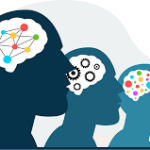
The term “neurodiversity” was coined by an Australian sociologist, Judy Singer, in 1998. Neurodiversity is a concept that describes a broad range of diverse people who have different ways of perceiving, learning, processing, and thinking. Individuals with neurological differences are not broken or impaired, and may or may not require treatment or interventions. If required, with support and accommodations for their unique needs, neurodiverse individuals can thrive and succeed. The term neurodiversity has gained momentum in the neuropsychology field because it fosters and supports inclusion rather than a negative connotation of being separate from the “majority” group.
When we perceive our brains as being part of a continuum of functioning, a paradigm shift emerges as to how we conceptualize mental and cognitive functioning. For instance, Autism Spectrum Disorder is described on a broad continuum with varying degrees of social ability ranging from a fully adaptive skill set to a range of social limitations. Similarly, brain functioning can also fall on its own spectrum or continuum and represents human functions at varying degrees. Just as biological and cultural differences exist, brain differences can similarly understood to encompass “neurologically diverse brains” for people who are “differently abled.”
There are several benefits to shifting our perspective on neurological or brain differences. First, by removing the labels of “disability” versus “normal”, it allows for increased connection and inclusion. It also allows for an increased focus on individual strengths rather than weaknesses or limitations, and it encourages companies to integrate those who have differences in brain functions. For example, traditional job interviews assess individuals based on strong communication skills, eye contact, emotional intelligence, and confidence. A neurodiverse individual may score lower in those categories, yet have other strengths and abilities which may prove to be an asset to a business because of their ability to see and process things differently. Imagine a community or society which supports acceptance, inclusion, and collaboration among all. While diversity is a hot topic these days, it is my hope that neurodiversity becomes a more understood household term that recognizes individuals for their differences and unique ‘abilities’ and strengths.